


OUTLINE:
Microcontrollers vs Microprocessors: Key Differences, Use Cases, and Selection Guide
 472
472In the rapidly evolving world of embedded systems and computing, the terms microcontroller and microprocessor are often used interchangeably—but they are fundamentally different in architecture, functionality, and intended applications. Whether you're building an IoT device, industrial automation system, or consumer electronic product, understanding the core differences between microcontrollers (MCUs) and microprocessors (MPUs) is essential to choosing the right technology for your project.
In this article, we'll dive into a detailed comparison between microcontrollers and microprocessors, highlighting how they differ in terms of design, performance, use cases, and development environments.
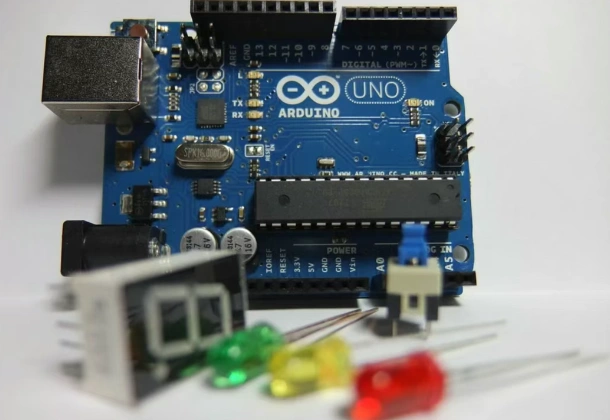
What is a Microcontroller?
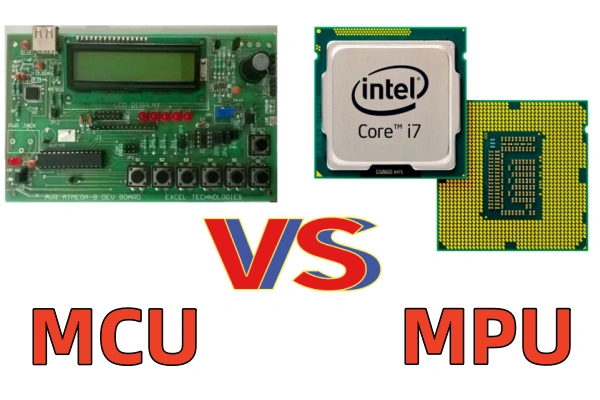
A microcontroller (MCU) is a compact, integrated computing device designed to perform specific control-oriented tasks. It contains a CPU, memory (RAM and Flash), and various peripheral interfaces like timers, ADCs (Analog-to-Digital Converters), UARTs, SPI/I²C communication modules—all embedded within a single chip.
Microcontrollers are commonly found in systems that require automation, real-time processing, and low power consumption. Typical examples include:
-
Washing machines
-
Smart thermostats
-
Remote controls
-
Automotive control units (ECUs)
-
Embedded IoT nodes
Designed to operate without external memory or complex OS support, MCUs are ideal for real-time applications where cost and power efficiency matter more than computational performance.
What is a Microprocessor?
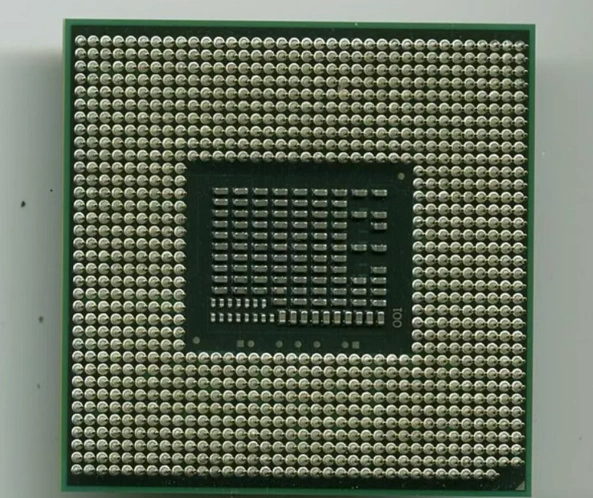
In contrast, a microprocessor (MPU) primarily refers to the CPU alone—it lacks built-in memory and peripherals. It requires external RAM, storage, and interfaces to function properly. However, what MPUs lack in integration, they make up for in processing power and versatility.
Microprocessors are the brains behind systems that demand high performance, such as:
-
Desktop computers
-
Laptops
-
Smartphones
-
Networking devices
-
Edge computing systems
They are designed to handle complex operating systems like Linux or Windows, multitask efficiently, and execute heavy computation tasks such as image processing, AI inference, and large-scale data analysis.
MCU vs MPU: Feature Comparison Table
| Feature | Microcontroller (MCU) | Microprocessor (MPU) |
|---|---|---|
| Architecture | CPU + RAM + ROM + Peripherals (all-in-one) | CPU only; requires external memory & peripherals |
| Clock Speed | Typically 1–300 MHz | Often 1–3+ GHz |
| Power Consumption | Low; ideal for battery-powered applications | High; needs thermal management |
| Real-Time Capabilities | Excellent (RTOS or bare-metal systems) | Limited real-time capability |
| Operating System Support | Usually no OS or lightweight RTOS | Supports full OS (Linux, Android, Windows) |
| Cost | Lower | Higher |
| Complexity | Simple board layout and programming | Requires complex board design |
| Boot Time | Fast (milliseconds) | Slower (up to seconds) |
| Use Case | Specific control applications | General-purpose computing |
Real-World Examples of MCU and MPU Applications
To make this more practical, let’s explore where each device shines in the real world.
Common MCU Applications:
-
IoT sensors collecting environmental data with battery power
-
Medical devices that require precision and safety
-
Microwave ovens, dishwashers, and home automation systems
-
Electric scooters or e-bikes with speed and battery control
-
Toys and low-power wearables
Microcontrollers are also preferred in applications where real-time performance, low cost, and simplicity are more critical than raw power.
Common MPU Applications:
-
Industrial human-machine interfaces (HMIs)
-
Linux-based gateways or routers
-
Multimedia players and automotive infotainment systems
-
Machine learning accelerators at the edge
-
Single-board computers like Raspberry Pi, which typically run on MPUs
MPUs are better suited for complex software applications that require OS-level support, multitasking, and high-speed processing.
Software Development Environment
When working with an MCU, developers typically use C or assembly language and may opt for lightweight RTOSs like FreeRTOS or Zephyr. These systems offer precise control over timing and hardware but require detailed understanding of embedded development.
Microprocessors, on the other hand, support a wide range of operating systems and high-level programming languages such as Python, C++, or Java. Tools like GCC, Linux device trees, and containerization (e.g., Docker) are common in MPU development workflows.
This also affects development complexity: MCU development is often done with tools like STM32CubeIDE or MPLAB X, while MPU development may require Linux kernel configuration, file system design, and hardware abstraction layers.
Power Efficiency and Thermal Design
MCUs are highly optimized for low-power operation, making them ideal for devices running on coin-cell or rechargeable batteries. Sleep modes and interrupt-based wake-up mechanisms help achieve microamp-level standby current.
MPUs, due to their higher processing power, require more thermal management, such as heat sinks or even fans in some cases. They are designed to run continuously and handle high workloads, often in environments where power is not constrained.
SoC vs MCU vs MPU: What’s the Difference?
It’s important to note that System-on-Chip (SoC) devices often blur the lines between MCU and MPU. An SoC can integrate a powerful processor, GPU, RAM, and connectivity modules (Wi-Fi, Bluetooth) all in one package.
-
A smartphone SoC (like Qualcomm Snapdragon) contains a powerful MPU, GPU, and multimedia engines.
-
A low-end SoC (like ESP32) might be considered an MCU because it integrates CPU + Wi-Fi + Bluetooth + I/O but doesn't run full Linux.
In embedded development, many SoCs are categorized based on their use case and OS support, not just hardware.
Key Considerations for Choosing Between MCU and MPU
When selecting between a microcontroller and microprocessor, ask yourself the following:
-
Do you need an operating system?
-
Yes → Go for MPU
-
No or real-time only → MCU is ideal
-
-
What’s your power budget?
-
Battery-powered or ultra-low power → MCU
-
Plugged-in or higher power tolerance → MPU
-
-
What level of complexity is acceptable?
-
Simple control logic and fewer interfaces → MCU
-
Complex applications with UI, networking, or multimedia → MPU
-
-
What’s your development expertise?
-
Embedded C, RTOS, and hardware interfacing → MCU
-
OS-level programming and system integration → MPU
-
-
Cost and volume requirements?
-
Mass production, low unit cost → MCU
-
High-end edge computing or industrial systems → MPU
-
Conclusion
While both microcontrollers and microprocessors are central to modern electronics, they serve very different purposes. Microcontrollers are the backbone of real-time, cost-sensitive control systems, whereas microprocessors excel at high-performance, OS-driven tasks.
Understanding the differences between MCUs and MPUs is not just academic—it directly impacts your system's reliability, cost-efficiency, scalability, and development timeline.
Choosing the right computing core early in your design process will save you time, reduce risk, and ultimately lead to a more successful product.

Disclaimer: The views and opinions expressed by individual authors or forum participants on this website do not represent the views and opinions of Chipsmall, nor do they represent Chipsmall's official policy.

share this blog to: